What is IVDD
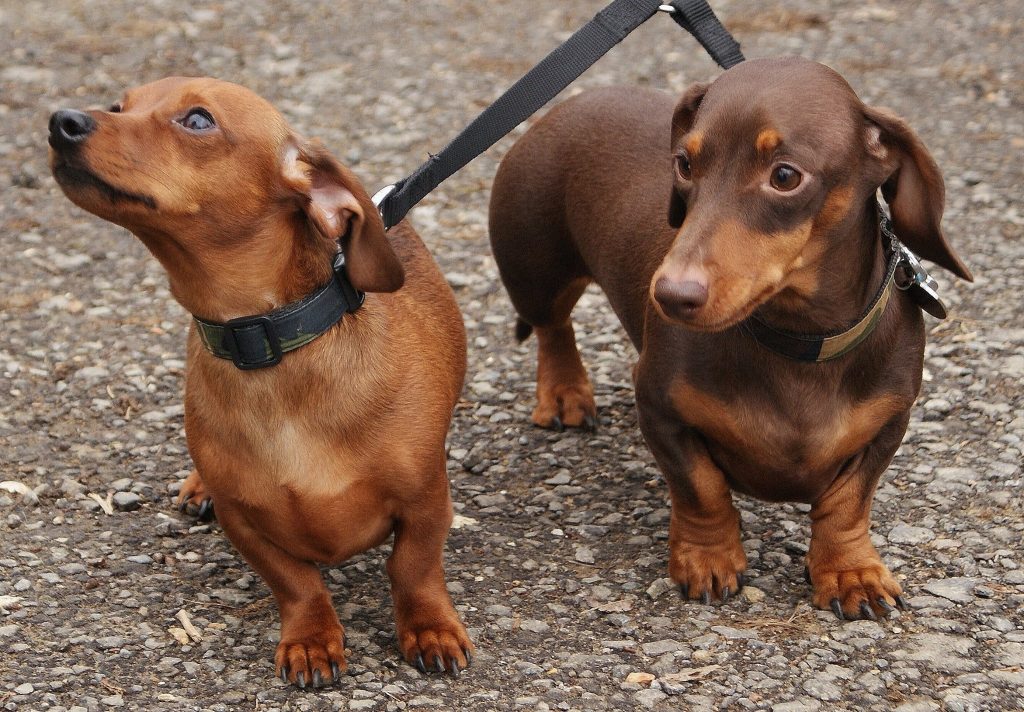
IVDD (or Intervertebral Disc Disease) is a degenerative condition which affects the discs that act as a cushion between the dog’s spine. It can affect any dog but is highly prevalent in chondrodystrophic dogs i.e. short legged and long backed such as Corgi, Bassett Hound and Dachshunds etc.
IVDD happens as a result of the disc becoming dehydrated or suffering a trauma and can bulge onto the spinal cord or even burst and damage the spinal cord. It has been identified in recent years to be hereditary and therefore some breeds have a screening programme in place to try and restrict the spreading of this disease.

Signs & Symptoms
Signs of a dog suffering with IVDD can range from your dog not wanting to climb or descend stairs (if they normally do), hesitation in running and playing, through to “drunken sailor walking” (whereby their hind legs are wobbly and they stagger when walking), to total paralysis, which can be hind legs or all 4 if a cervical disc is affected. They may also have an arched back and a tight tummy, which is an indication of pain in this instance.
Treatment

Speed is of the essence with IVDD. If you suspect it then you must get your dog to a vet ASAP and ideally ask for an MRI as an x-ray will not show if your dog has IVDD. Options are either conservative treatment, involving total crate (or play pen) rest, carried out to the garden for toileting and then placed back in their crate with pain meds from the vets. This should be done for approximately 6 weeks. There is varying success with the conservative approach, depending on the damage to the spinal cord. During this time muscle wastage can occur so it is worthwhile speaking to your vet’s physiotherapist to help reduce this.
The other option is surgery. This would be done by a specialist vet with a referral from your vets. Surgery should be performed as quickly as possible to prevent deterioration. Some dogs can walk straight after surgery, others it takes a while for the swelling on the spinal cord to diminish so are unable to walk (and some never regain the use of their legs).
Recovery
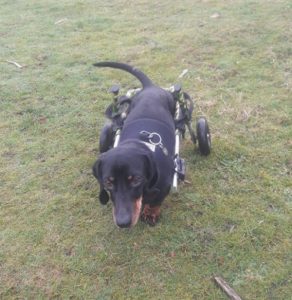
Physiotherapy, hydrotherapy and core conditioning all can help with the rehabilitation of dogs whether conservatively treated or surgically.
Some dogs will make a full and complete recovery from IVDD but should be restricted from stairs, jumping on and off furniture and other activities that could put undue pressure on their backs.
Those that don’t recover the use of their hind legs can still lead a full and happy life with the use of wheels.
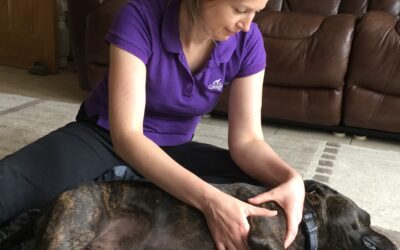
How can clinical canine massage help
- Treats over compensation, particularly in their front legs, shoulders & neck
- Improves muscle tone, especially in areas underused, such as hind legs, gracilis, gluteals etc
- Increases blood & lymph circulation, so nourishing the cells and getting blood to muscles that aren’t being used
- Speeds up natural healing
- Rebuild atrophied (wasted) muscles in unused limbs
- Treats muscular overcompensation. This is where there is an overuse of supporting muscles or muscle groups, resulting in secondary areas of injury
It must only be performed once the referral vet has agreed it is safe and then by someone who is qualified. Canine Massage Guild members are a network of skilled practitioners. We have an in-depth knowledge of canine physiology and anatomy, having studied for two years with the Canine Massage Therapy Centre. We ensure our knowledge and skills are kept up to date with regular, continuing professional development.
Gill Hornsby
Great & Small Canine Massage