
Benefits of massage
Dogs benefit from massage in just the same way that their owners do. It’s ideal for easing muscular pain and resolving soft tissue injuries which, left unresolved, can lead to harder to treat problems that can often make your dog old before their time.
Why your dog may need Clinical Canine Massage
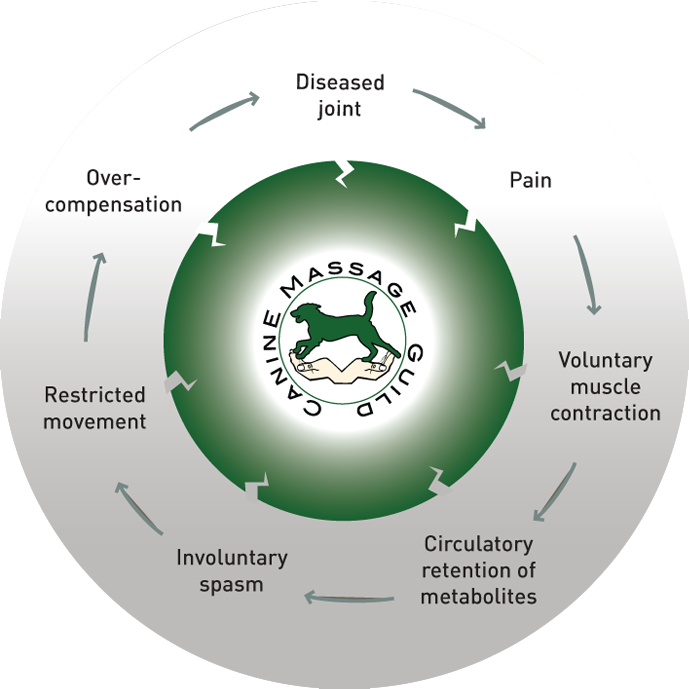
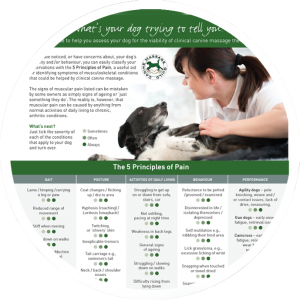
Muscular injuries aren’t always obvious, but if your dog ‘doesn’t seem right’ and displays any of the symptoms listed in the 5 Principles of Pain, then it could be time to ‘ask an expert’.
Canine Massage Guild therapists train for 2 years on the Canine Massage Therapy Centre’s highly respected Clinical Canine Massage Practitioner Programme which is externally accredited by LANTRA.
Guild therapists utilise 4 massage disciplines: Swedish, Sports, Deep Tissue and Myofascial Release. Most significantly they are trained in the unique Lenton Method™ of canine massage therapy, currently the subject of clinical trials with both Winchester University and University Centre Sparsholt. These therapies have helped thousands of dogs across the world experience positive changes within just 1-3 sessions.
Upon veterinary consent or referral, dogs are taken for clinical canine massage for many reasons including
- Pain management for arthritis, hip/elbow dysplasia, spondylosis, luxating patella
- Rehabilitation of muscular injuries such as lameness, stiffness or struggling with normal activities of daily living
- Performance, gait, and posture issues in sporting and showing dogs
- Addressing and resolving symptoms listed in the 5 Principles of Pain
However, your dog doesn’t have to be injured to benefit from clinical canine massage with a Canine Massage Guild therapist. For example, it can help to
- Maintain and improve quality of life and mobility in older dogs
- Improve exercise duration and frequency so your dog can enjoy longer walks
- Improve and maintain mobility and acitvity levels
- Keep sporting dogs – agility, flyball, hoopers, cani-cross and so on – at the top of their game…
- … and even help dogs with anxiety, nervous behaviour and/or depression.
Is your dog showing any of these common signs of musculo-skeletal discomfort?
- Stiffness
- Soreness
- Unable to go up/down stairs
- Unable to get in/out of car
- Mobility issues
- Lost their ‘sparkle’
- Depression
- Posture changes
- Coat changes
- Uneven nail wear
- Skin twitches
- Old before their time
- Unwilling to go for walks
- Back/neck/hip issues
- Agility performance issues, e.g., pole knocking, measuring
See our 5 Principles of Pain for a more details.
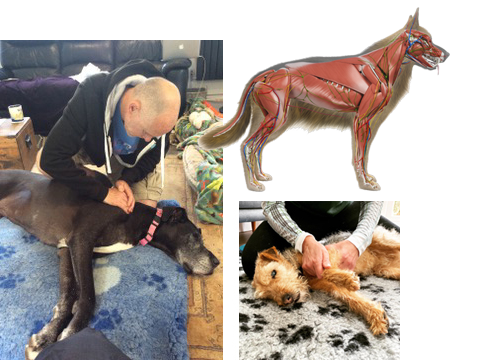
20 Benefits of Clinical Canine Massage Therapy
Clinical canine massage with a Canine Massage Guild therapist can benefit your dog in many ways, including
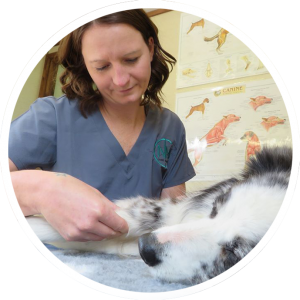
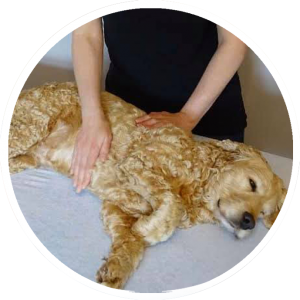
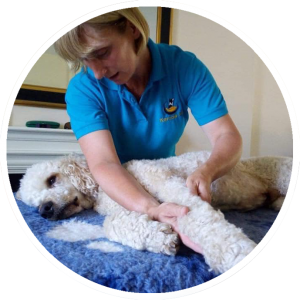
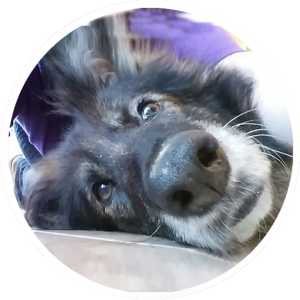
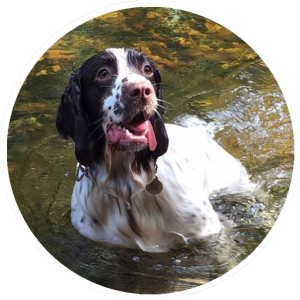
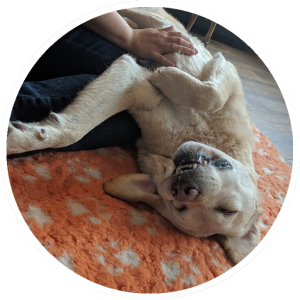
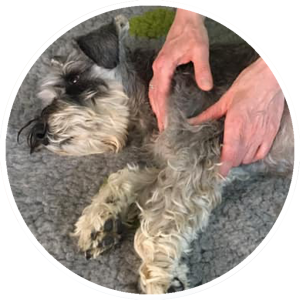
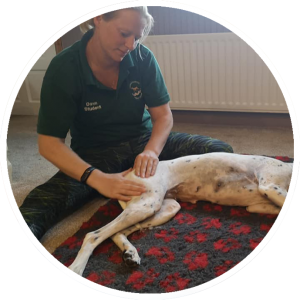
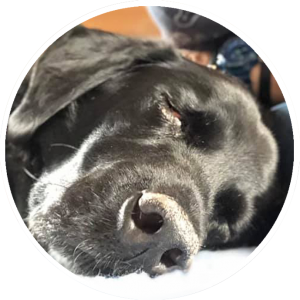
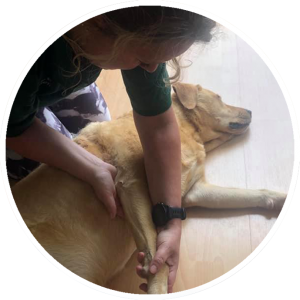
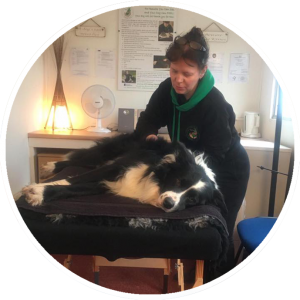
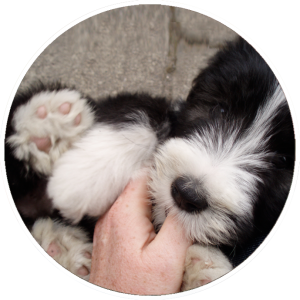
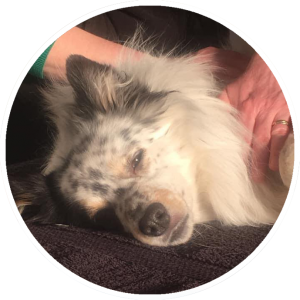
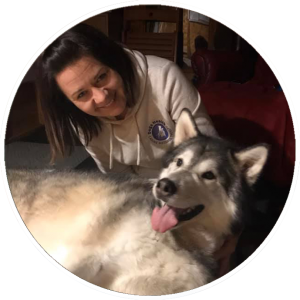

 My 12 year Collie cross,Tilly, had bilateral TPLO surgery. Clinical Canine Massage helped with recovery from this as well as the aches and pains that come with being an older dog. I’m so happy to see Tilly enjoying the therapeutic benefits that come from Clinical Canine Massage. #TPLO/#Cruciate ligament surgery #collie #seniordogs

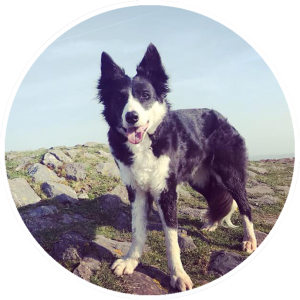
 May, our Border Collie started having Clinical Canine Massage Therapy when she was diagnosed with spondylosis at 13-years-old. She now has regular sessions which have helped her enormously and kept her mobile. #spondylosis #bordercollie
 Barney has both elbow and hip dysplasia along with arthritis. He’s a typical spaniel but massage helps every time and calms him to the point of sleeping. The monthly massages have really benefited Barney.
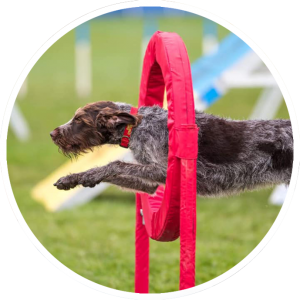
 Dilys is our 3 year old Boston Terrier. Clinical Canine Massage has kept Dilys in great shape for flyball. It has massively reduced the everyday niggles and progressive injuries she would have without it.

Clinical Canine Massage - discover the difference it can make to your dog!
Find a therapist
Have a look at our Register to find the Canine Massage Guild therapists in your area.
What to expect
Find out why your dog might need a massage and what to expect in our Owner Zone.
What people say
Read some of the many testimonials from satisfied Canine Massage Guild clients.