Some dogs can be excessively anxious and stressed by the environment or company that they find themselves in. But being stressed can have a significant and negative impact on your dog’s overall health – and here’s why!
 If there are insufficient respite opportunities for a stressed dog they become unable to naturally lower their levels of stress, creating a ‘positive feedback loop’. When stressed, the sympathetic nervous system swings into action, flooding the system with hormones and causing the musculature to tighten in preparation for ‘fight or flight’. Involuntary shivering tries to release these tense muscles and prevent over-tightening.
Stress causes behaviour changes
Because the dog is unable to get away from this stress the sympathetic system continues to ‘prepare the body’ for fight or flight. Over a short period in this state you might notice other behaviours including barking, lunging, and unwanted repetitive behaviours such as pacing, circling, licking or chewing. In some cases the stress response causes the dog to appear to shut down completely.
Which in turn cause further physical changes
In a very short period of time this over-stimulation creates patterns of holding in the tissue. Muscles shorten, tighten and become painful. Additional pressure is placed on joints leading to decreased flexibility, increased joint stress ‘at rest’, reduced range of motion and joint pain. Dogs in this state are more prone to painful injuries such as strains and sprains (tears to the muscles, tendons and ligaments).
Tight, restricted muscles and reduced mobility restricts blood and lymphatic circulation. This in turn reduces the body’s ability to bring nutrients and oxygen to the body tissues. It also causes a build-up of metabolic waste products in the affected tissues.
Being stressed is painful
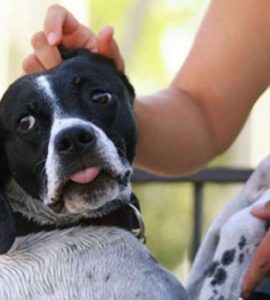
Could your dog be stressed?
The build-up of waste products causes chemical changes in the tissue which irritate the nerves. In addition, the shortened muscle fibres take up more space and put further pressure on any nerves running through or between affected tissues. Pain receptors will now be firing urgent messages to the dog’s brain.
At the same time the lack of nutrients and oxygen cause areas within the restricted tissue to become ‘ischemic’. The tissue in this area further contracts beyond normal tolerances forming hyper-irritable bands of tissue known as ‘trigger points’. Once a trigger point develops, it always remains in the tissue but its reactivity and the pain and discomfort this causes varies with the local conditions found in the surrounding tissue.
The tight and constricted tissues adhere to themselves and to other body structures including the superficial and deep fascia (the web of connective tissues) and the periosteum of the bones, causing further restrictions and reductions in mobility.
Such a dog will now be in chronic pain and is likely to remain, so unless the environment is modified the dog’s tissues are unable to return to a more natural state. Being in pain is in itself stressful and also affects mood, behaviour and the immune response, so without intervention the positive cycle continues!
Removing the conditions that caused the stress may not be enough
Reducing stress levels at this point may not be sufficient to break the positive feedback loop described above as the patterns of holding are now established. Dogs may need additional help to return their bodies to a pain free and relaxed state. Massage is the most effective method for doing this as it treats the whole body and focuses on relaxing and releasing tissues.
How massage can help
- Lower the sympathetic nervous system’s re

sponse allowing the para-sympathetic system (the rest and digest nervous system) to come into play
- Relax and lengthen tight, short and painful muscles
- Improve blood and lymphatic circulation
- Oxygenate and bring nutrients to and through body tissues
- Support the removal of carbon dioxide, lactic acid and other metabolic and cellular waste
- Support the dog’s natural immune response
- De-activate trigger points
- Reduce pain
- Remove tissue adhesions so tissues can glide over each other once more
- Create space within and surrounding body tissues
- Improve joint mobility and flexibility
- Calm the mind and allow the dog the time and space required for them to process emotional distress and manage stress.
If your dog is anxious then massage can be an extremely effective, safe treatment to help them cope with their world. Your local Clinical Massage Therapist can assess if massage could help change your dogs life!