How I came to meet Piper
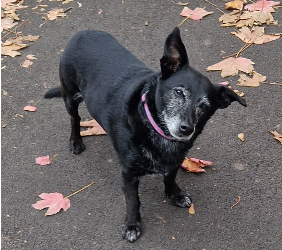
When Piper, a 5 year old Dachshund was out on a long but routine walk, she screamed suddenly. Rushing to her side, her owners found that there was slight paralysis of her rear legs, and her right leg was knuckling under her as she moved. Although it was unclear what exactly had happened to Piper, it was very clear that she was in a lot of pain.
Piper was rushed straight to the vet, who suspected a strain in her back, although without an MRI scanner at the practice, the possibility of Intervertebral Disc Disease could not be ruled out. After discussing all of the available options (including transferring Piper to a specialist centre for an MRI scan), it was agreed that a closely monitored conservative approach would be taken initially. Anti-inflammatories were prescribed to make her more comfortable, and with the consent of the veterinary surgeon, Piper was booked an appointment at my clinic.

What happened during treatment
When I first saw Piper, it was clear that she was in pain. She walked with the appearance of a ‘drunken sailor’, had limited control of her back right leg, which would knuckle under as she walked. Piper was used to massage, as I had treated her for a separate issue previously. Although Piper was clearly very uncomfortable during treatment, she knew that I was there to help her. The discomfort made her less compliant than usual, and I actually ended up treating her with her cuddled into my lap.
Following her first session, I reiterated to her owners just how important to Piper’s recovery crate rest would be. It was imperative that she had minimal movement over the coming weeks. I also advised her owners to stimulate her hind legs using a soft bristled brush, and to perform a vascular flush daily. A vascular flush is the use of heat and ice in a controlled way to reduce inflammation, flush out toxins and encourage freshly oxygenated blood to flow into the area.
Despite the loving care she was receiving from her owners, when I next saw Piper, she had clearly regressed, and both legs buckled from underneath her. By this time she was confined to having very limited movement at home and would go out for walks in a pram, only being allowed to walk to use the toilet. There were further discussions with the vet about Piper possibly having an MRI scan in the near future.
When Piper came in for her third session, she was walking on all four limbs! Although she was clearly not bearing as much weight on her right as she was her left, this was wonderful progress and fantastic to see.

Findings
Upon palpation, I could feel that Piper had scar tissue as the result of a strain in her lower back. This in turn caused wide radiating myofascial pain and adhesions as the surrounding muscles were working harder to support the injured tissue. Piper carried further compensatory issues through much of her body, especially her lower back around the site of the injury and in her front legs and shoulders. As a Clinical Canine Massage therapist, I have been trained to use 4 disciplines of massage and using over 50 techniques! These include myofascial release (both the direct and indirect approach), remedial sports massage, deep tissue massage, Swedish massage and the Lenton Method©. I have also undergone additional training in Facilitated Stretching and Neuromuscular Facilitation. I worked using my range of knowledge to remodel the scar tissue, breakdown adhesions and ease the wide radiating myofascial pain.
Results
Piper’s owners say
Piper is at 90% of her previous condition. She can run and walk without issue, is pain free and energetic. We see no knuckling of rear legs or evidence of the paralysis she suffered. We are continuing to follow Catherine’s guidance.
Piper has rehabilitated beautifully, she is back to running walking and playing, and no longer has any need for the anti-inflammatories initially prescribed for her.
Conclusion
As a Clinical Canine Massage therapist, I am delighted with Piper’s progress. I continue to see her monthly for maintenance treatments, and her owners have installed ramps at home to stop her jumping on and off the furniture.
About the Author
 Catherine Reed is a member of the Canine Massage Guild. She runs Canine Wellbeing Wales, based in Vale of Glamorgan, South Wales. You can find out more about her at The Canine Wellbeing Centre
About the Canine Massage Guild
 After 10 years the Canine Massage Guild continues to lead the way, with a network of highly skilled Clinical Canine Massage Therapists, based around the country. We specialise in soft tissue injury rehabilitation and provide chronic pain management for orthopaedic conditions.
In clinical trials with Winchester University, which considered the efficacy of the Lenton Method ® of canine massage, 95% of dogs responded positively to clinical canine massage therapy. As published in ‘Vet Record’ by the British Veterinary Association.
Providing results you can see and your dog can feel!
Find your local Canine Massage Guild therapist: www.k9-massageguild.co.uk/therapistregister/